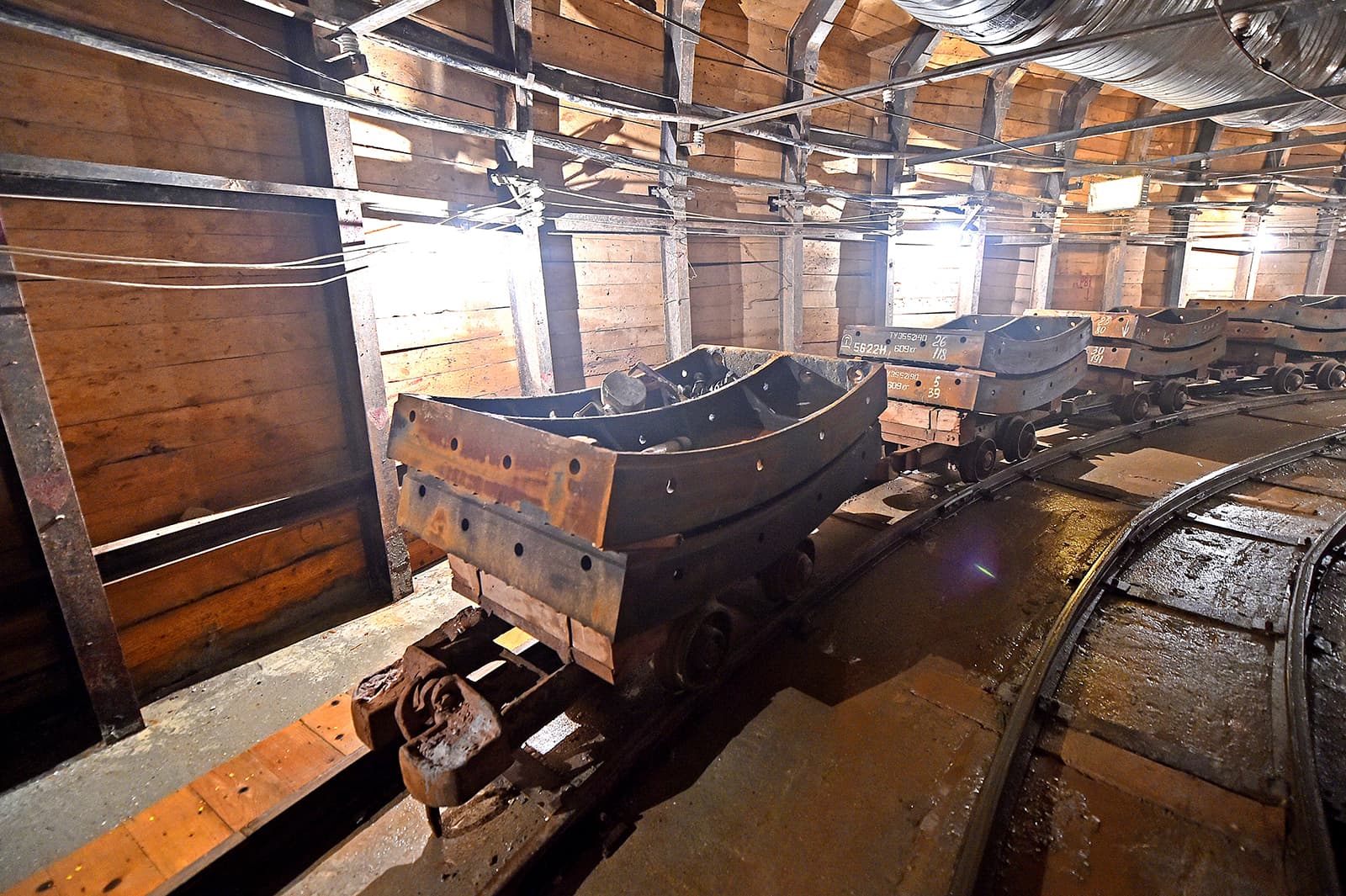
Delovoy Tsentr
launched
2018


(Big Circle Line)
The world`s largest metro construction project
launched
2018


launched
2018


launched
2018


launched
2018


launched
2018


launched
2018


launched
2020


launched
2020


launched
2020


launched
2021

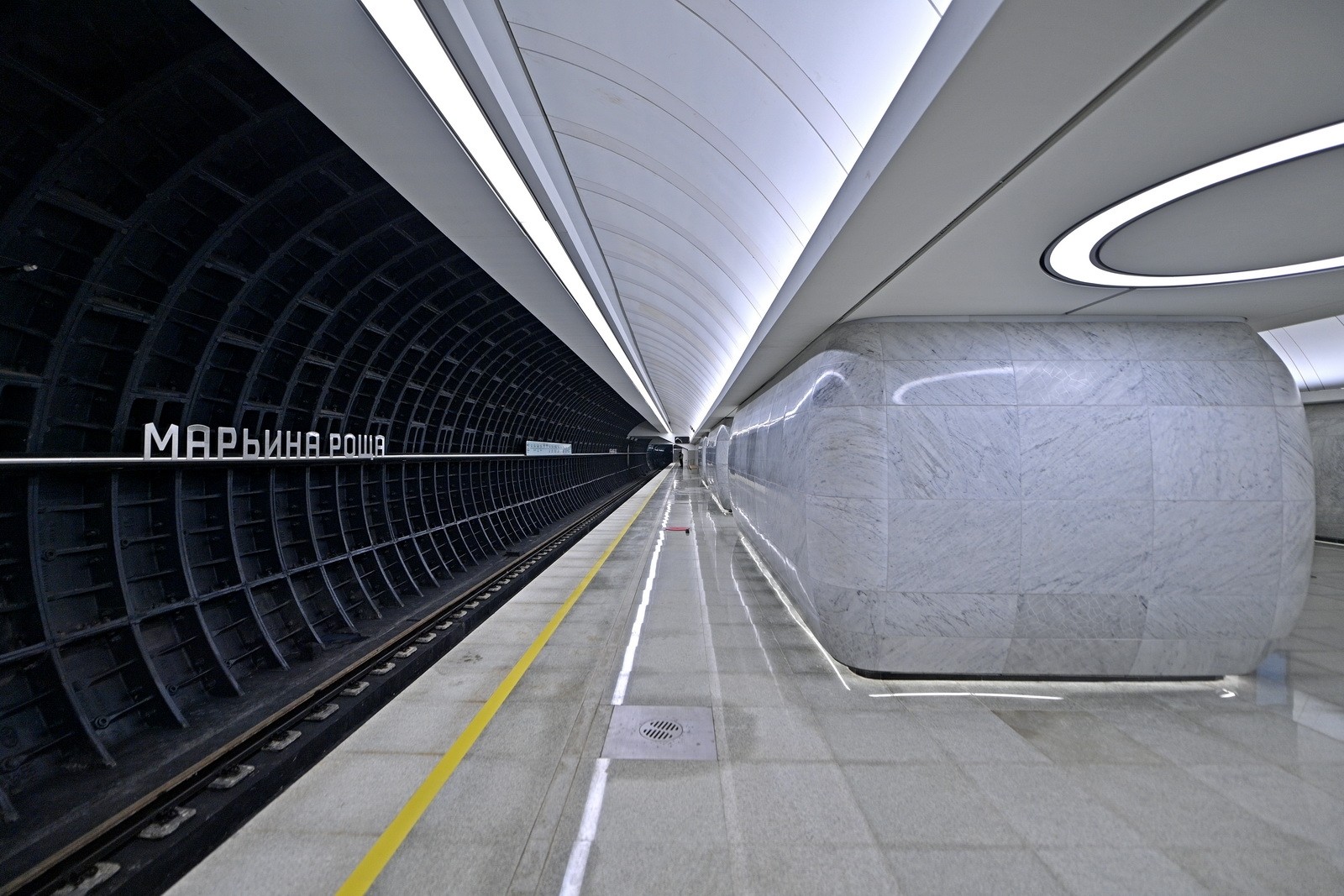
Technical launch
2022

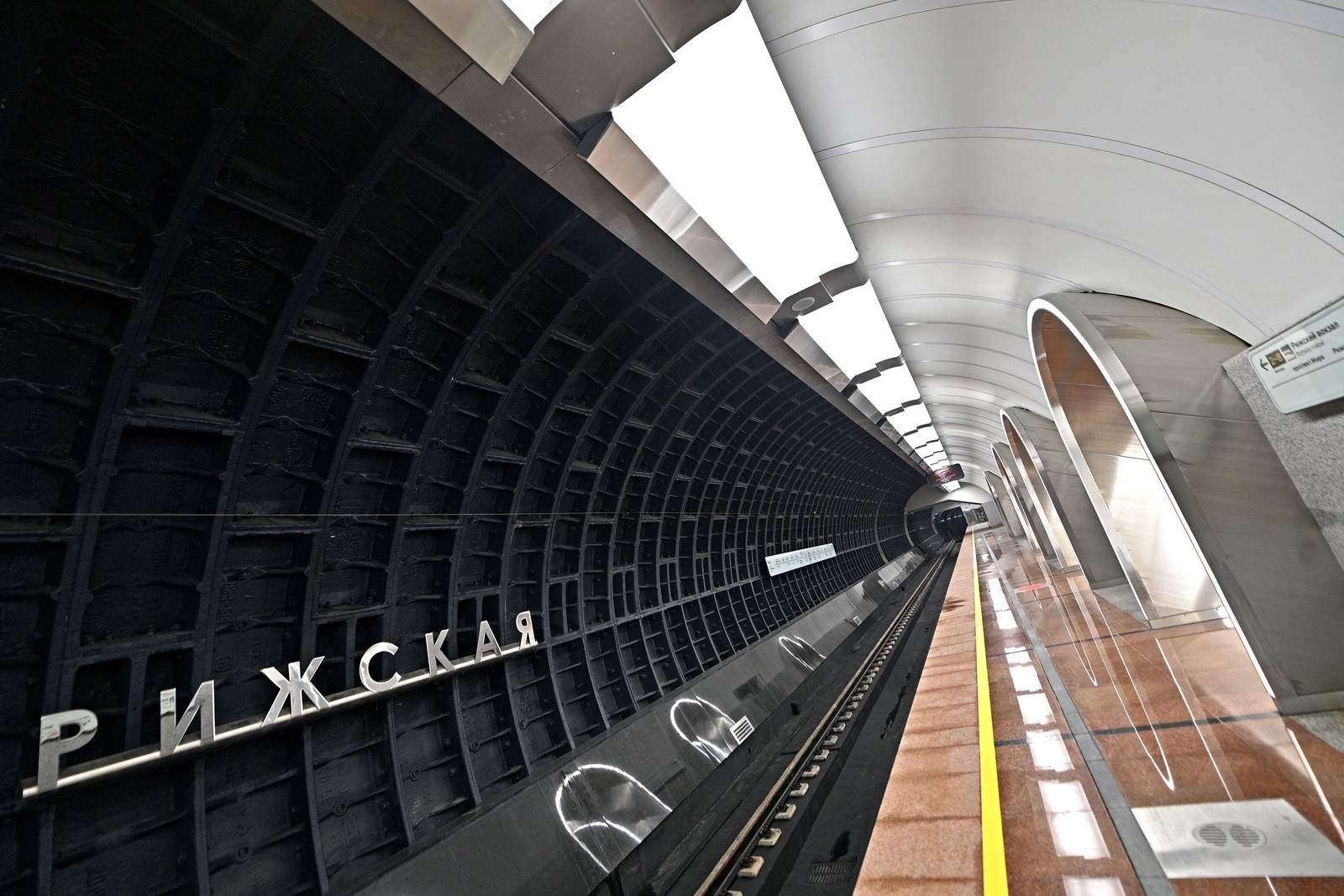
Technical launch
2022

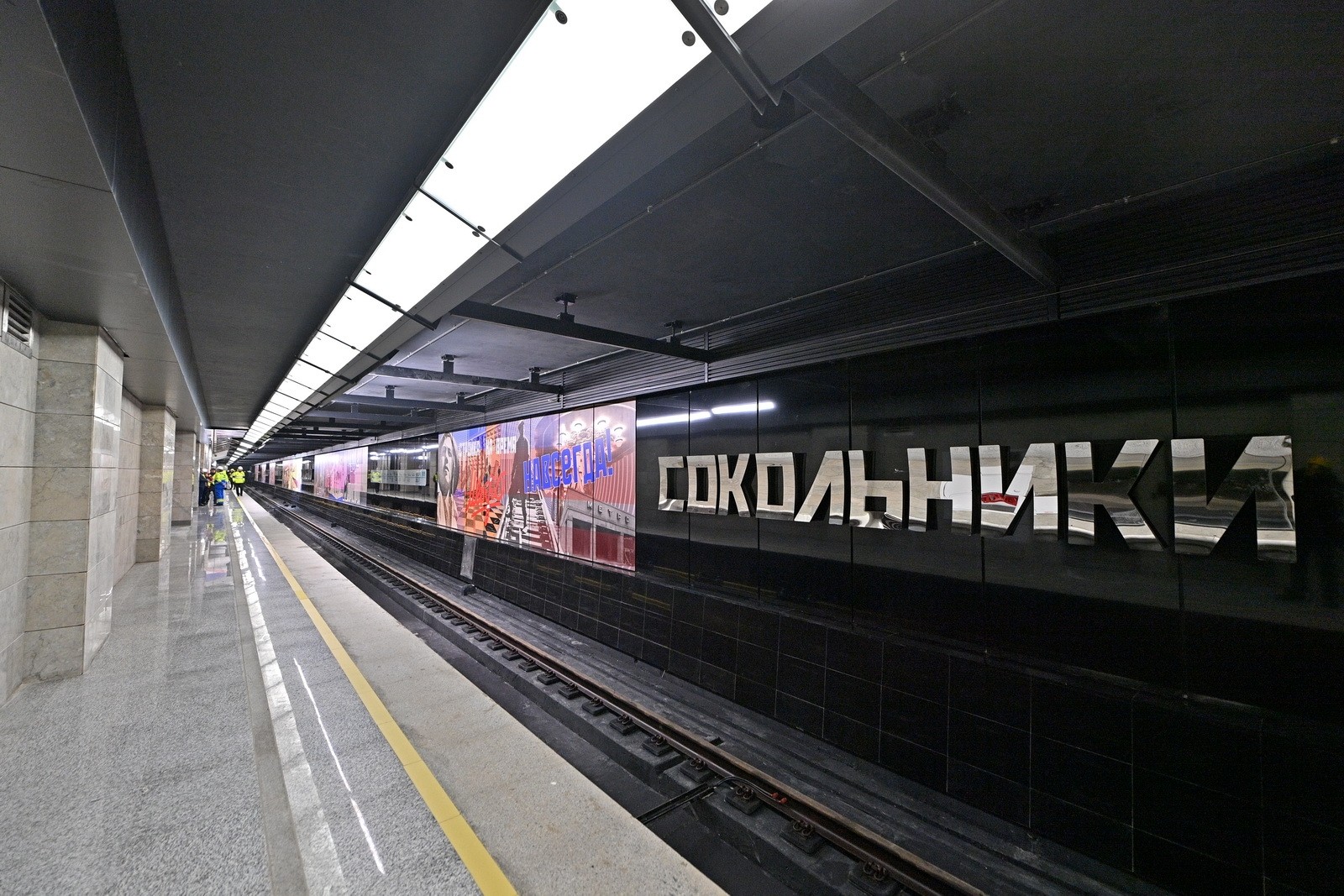
Technical launch
2022

Technical launch
2022

Technical launch
2022

Technical launch
2022

Technical launch
2022


launched
2021


launched
2021


launched
2021


launched
2021

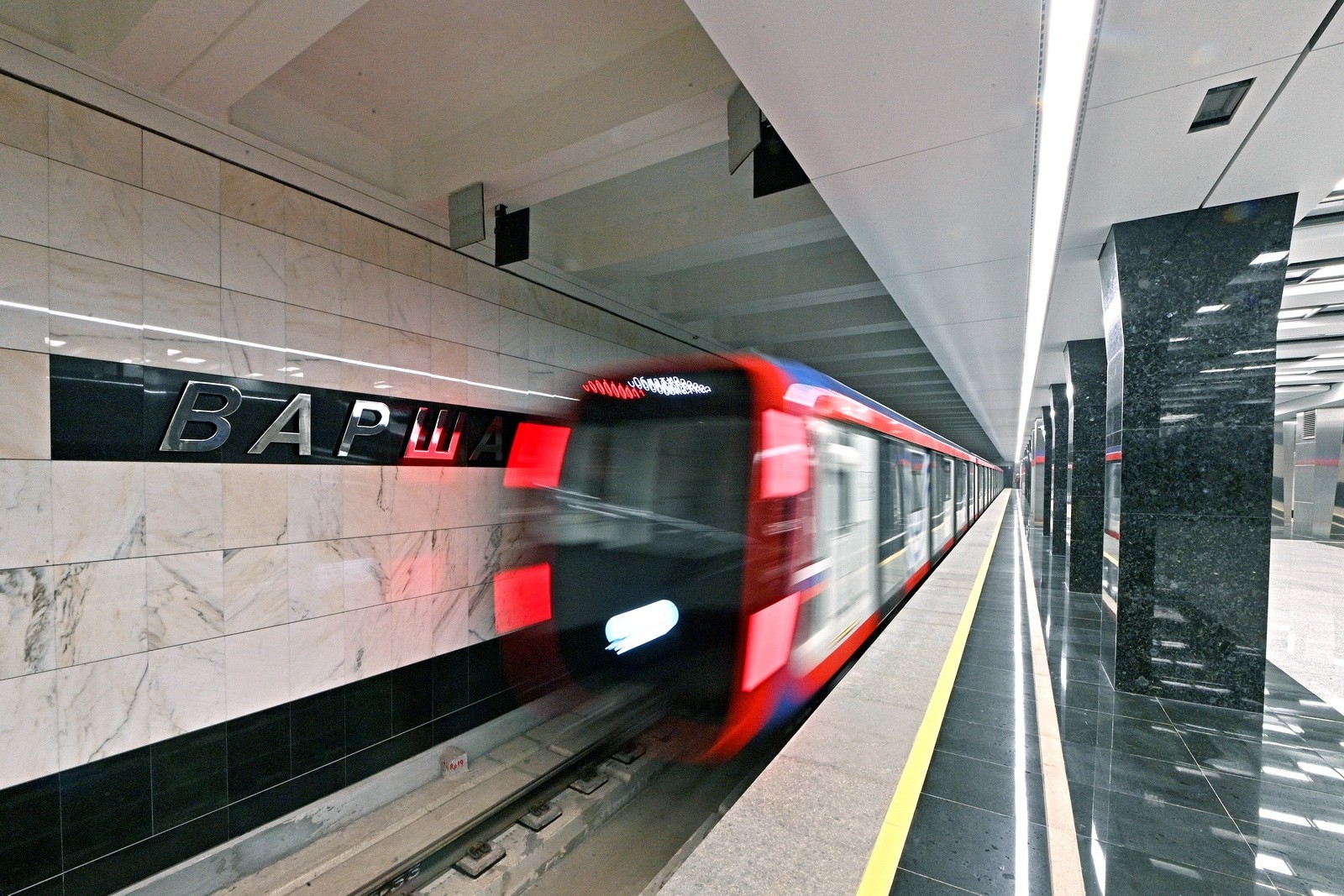
Technical launch
2022

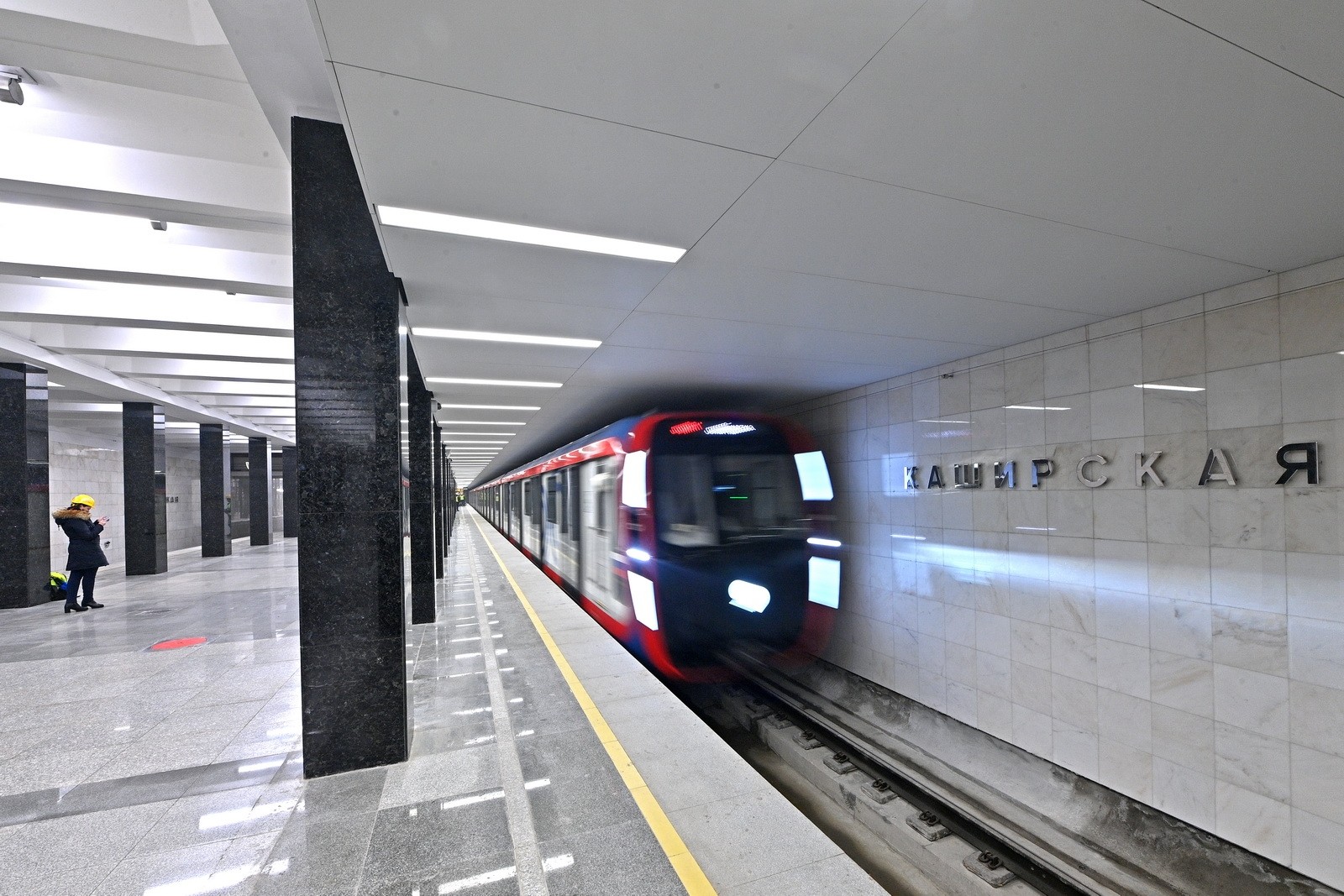
Technical launch
2022


launched
2021


launched
2021


launched
2021


launched
2021


launched
2021


launched
2021


launched
2021


launched
2021
 Reference
The 70 km long Big Circle Line is the world's largest metro construction project. 31 stations and three will be built in total. The BCL may become the longest circle metro line in the world, overtaking the current champion among underground rings – Second Circle Line of the Beijing Metro (57 km).

World’s largest circle metro line

Connecting existing and prospective radial lines

Convenient transfers and navigation
Big Circle Line construction start
Big Circle Line construction start
Big Circle Line construction start
CSKA Station. Tunnel-boring machine descend into foundation pit
CSKA Station: Tunnel-boring machine descend into assembly chamber
CSKA Station: Excavation of pit
CSKA Station: Excavation of pit
CSKA Station: Tunnel-boring machine descend into assembly chamber
CSKA Station: Delivery of tubings to the construction site
CSKA Station: Platform construction
CSKA Station: Platform construction
CSKA Station: Tunnel-boring machine launch towards Petrovsky Park station
CSKA Station. Platform construction
Petrovsky Park Station: Platform construction
Petrovsky Park Station: Platform construction
Petrovsky Park Station: Platform construction
Khoroshyovskaya Station: Foundation pit backfilling
Khoroshyovskaya Station: Construction
Khoroshyovskaya Station: Construction
Delovoy Tsentr Station: Platform finishing
Delovoy Tsentr Station: Tunnel structures
Delovoy Tsentr Station: Tunnel towards Shelephikha station
Petrovsky Park Station: Platform construction
Petrovsky Park Station: Platform construction
Petrovsky Park Station: Platform construction
Khoroshyovskaya Station: Foundation pit filling up
Khoroshyovskaya Station: Platform
Khoroshyovskaya Station: Platform
Shelepikha Station: Installation of fasteners on tunnel walls
Shelepikha Station: Platform
Shelepikha Station: Lobby construction
Shelepikha Station: Platform works
Shelepikha Station: Platform works
Shelepikha Station: Lobby construction
Petrovsky Park Station: Last stage of platform finishing
Petrovsky Park Station: Last stage of platform finishing
Petrovsky Park Station: Last stage of exit finishing
Khoroshyovskaya Station: Last stage of platform finishing
Khoroshyovskaya Station: Last stage of platform finishing
Khoroshyovskaya Station: Last stage of ticket hall finishing
Delovoy Tsentr Station: Laying of tracks
Delovoy Tsentr Station: Exit from tunnel
Delovoy Tsentr Station: Platform finishing complete
Petrovsky Park Station: Balcony finishing
Delovoy Tsentr Station: Tunnel construction
Delovoy Tsentr Station: Platform finishing complete
Savyolovskaya Station: Platform finishing
Savyolovskaya Station: Platform finishing
Savyolovskaya Station: Platform finishing complete
Khoroshyovskaya Station: Platform finishing
Khoroshyovskaya Station: Beginning of platform finishing
Khoroshyovskaya Station: Beginning of platform finishing
СSKA Station: Feeding materials to the platform
СSKA Station: Monolith complete
СSKA Station: Platform finishing complete
Shelepikha Station: Installation of fasteners on tunnel walls
Shelepikha Station: Beginning of platform finishing
Shelepikha Station: Platform finishing complete
Aminyevskaya Station: Excavation of pit
Mnyovniki Station: Platform works
Rizhskaya Station: Tunnel construction
Aviamotornaya Station: Tunnel construction
Aviamotornaya Station: Tunnel construction
Aviamotornaya Station: Platform finishing complete
Lefortovo Station: Beginning of platform finishing
Lefortovo Station: Beginning of platform finishing
Lefortovo Station: Platform finishing complete
Nizhegorodskaya Station: Beginning of platform finishing
Nizhegorodskaya Station: Platform finishing
Nizhegorodskaya Station: Launch
Pre-launch
Pre-launch
Pre-launch
Pre-launch
Pre-launch
Pre-launch
Pre-launch
Pre-launch
Pre-launch
Pre-launch
Pre-launch
Pre-launch
Pre-launch
Station launch
Station launch
Station launch
Station launch
Varshavskaya Station: Platform finishing
Varshavskaya Station: Platform finishing
Varshavskaya Station: Platform finishing
Kashirskaya station design
Kashirskaya station design
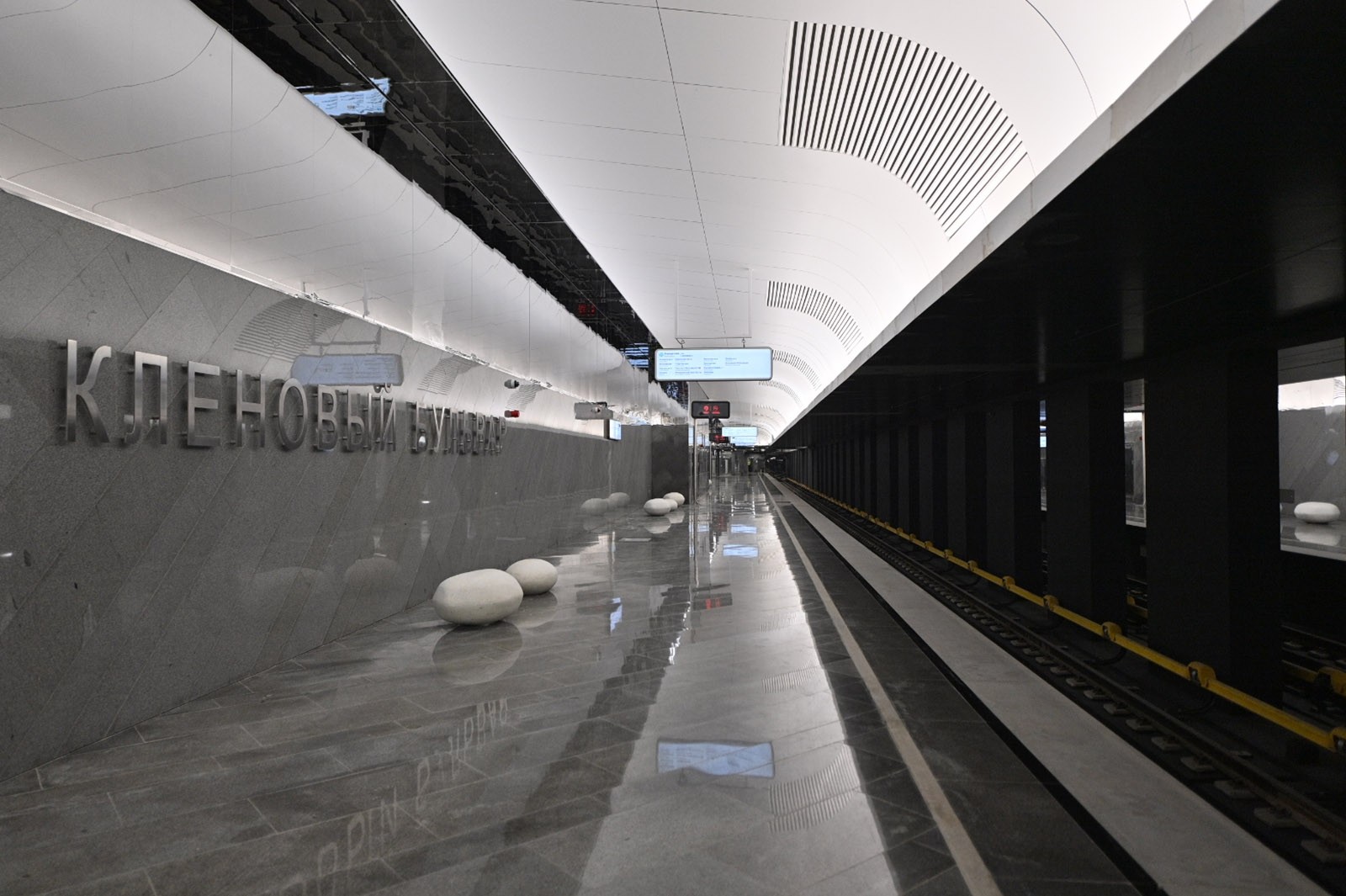
Klenovy Bulvar Station: Platform framing
Maryina Roshcha Station: Tunnel construction
Maryina Roshcha Station: Tunnel construction
Maryina Roshcha station design
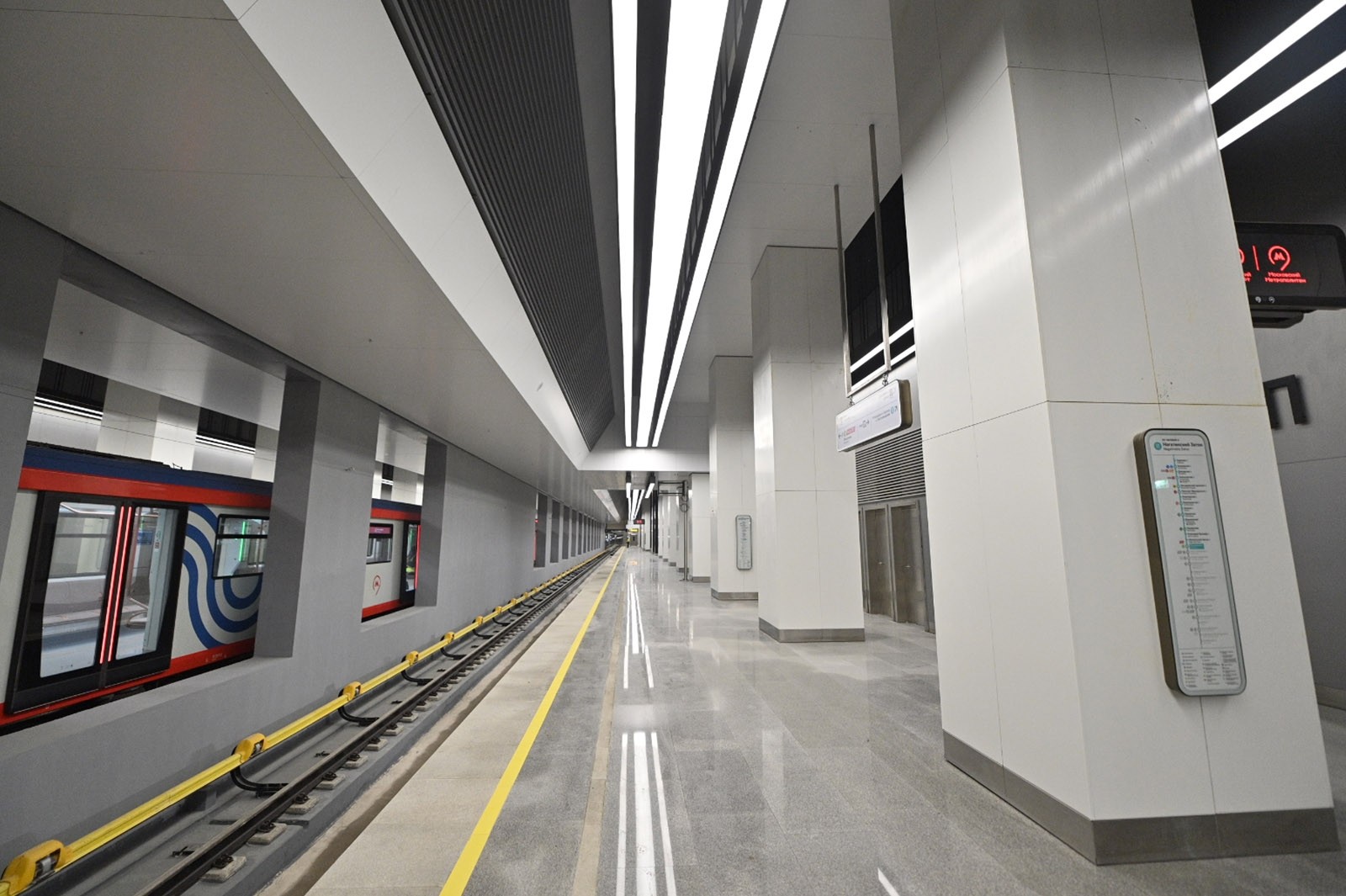
Nagatinsky Zaton Station: Inside a tunnel-boring machine
Nagatinsky Zaton station design
Pechatniki Station: Tunnel construction
Pechatniki Station: Tunnel construction
Pechatniki station design
Rizhskaya Station: Delivery of tubings into the tunnel
Rizhskaya Station: Tunnel construction
Rizhskaya station design
Sokolniki Station: Excavation of pit
Sokolniki Station: готов монолит станции
Sokolniki station design
Tekstilshchiki Station: Tunnel construction
Tekstilshchiki Station: Tunnel construction
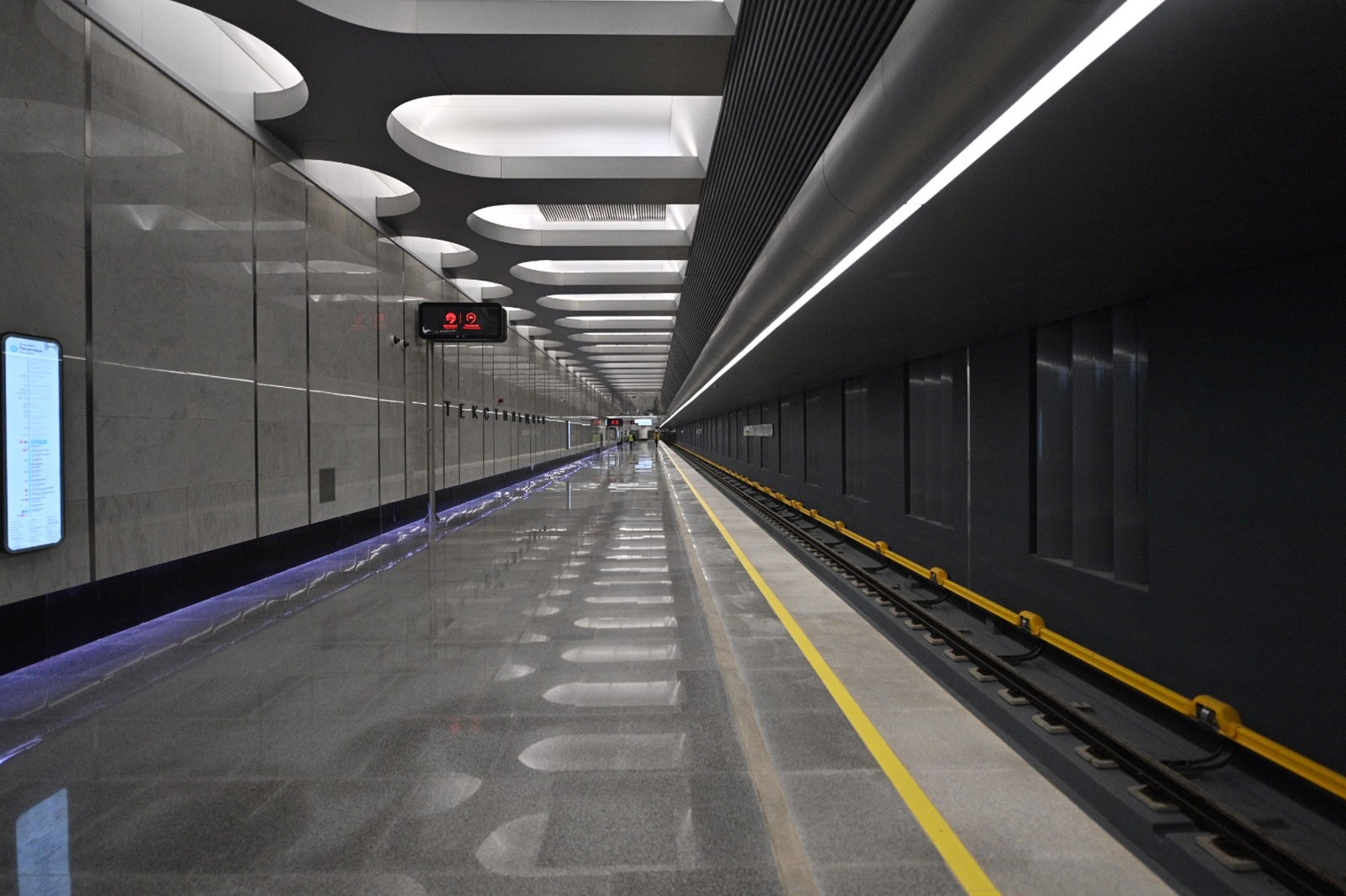
Tekstilshchiki Station: Platform construction
Tekstilshchiki station design
Reference
The BCL will connect existing and prospective radial lines at a distance of up to 10 km from the existing circle line (Koltsevaya). Thus, Moscow metro passengers will no longer have to go to the city center to transfer from one radial line to another, change to a neighboring line, and then return back.

Radial metro lines will be unloaded by up to 30%

Saving up to 30 minutes on each trip

The metro will come to Nizhegorodsky, Mozhaysky, Khoroshyovo-Mnyovniki, and Ochakovo-Matveyevskoye districts

Back in the 1930s, the first Moscow metro stations were built with a pickaxe and a shovel. Today the arsenal of metro builders includes tunnel-boring machines. They come in two types: ‘tens’ (10-meter diameter) and ‘sixes’ (6-meter diameter).
The machine with a 6-meter diameter constructs single-track tunnels; there are two of them. The 10-meter machine is for double-track tunnels where trains of different directions go towards each other on parallel tracks.
BCLs are laid in conditions of dense urban development. To eliminate the negative impact of noise on houses near the stations, vibration protection technologies are used.


Most of the Moscow metro stations operating since 1935 are concrete deep. It took from 3 to 5 years to build them. Since 2011, there have appeared more low-depth stations, the depth of which does not exceed 30 meters. It takes about 2.5 years to construct one.
Concrete deep stations appear in places with a large number of engineering communications, the removal of which requires large financial expenses and time. There are three such stations on the BСL: Savyolovskaya, Rizhskaya, and Maryina Roscha.

The Moscow metro mainly has single-track tunnels. There are double-track tunnels only on some metro lines. Such tunnels were constructed at the dawn of the Russian capital's metro development and mainly with the use of manual labor.
Today double-track tunnels are constructed with one giant 10-meter machine. The main advantages of such tunnels are safety, low noise level, speed, and reduced construction costs.
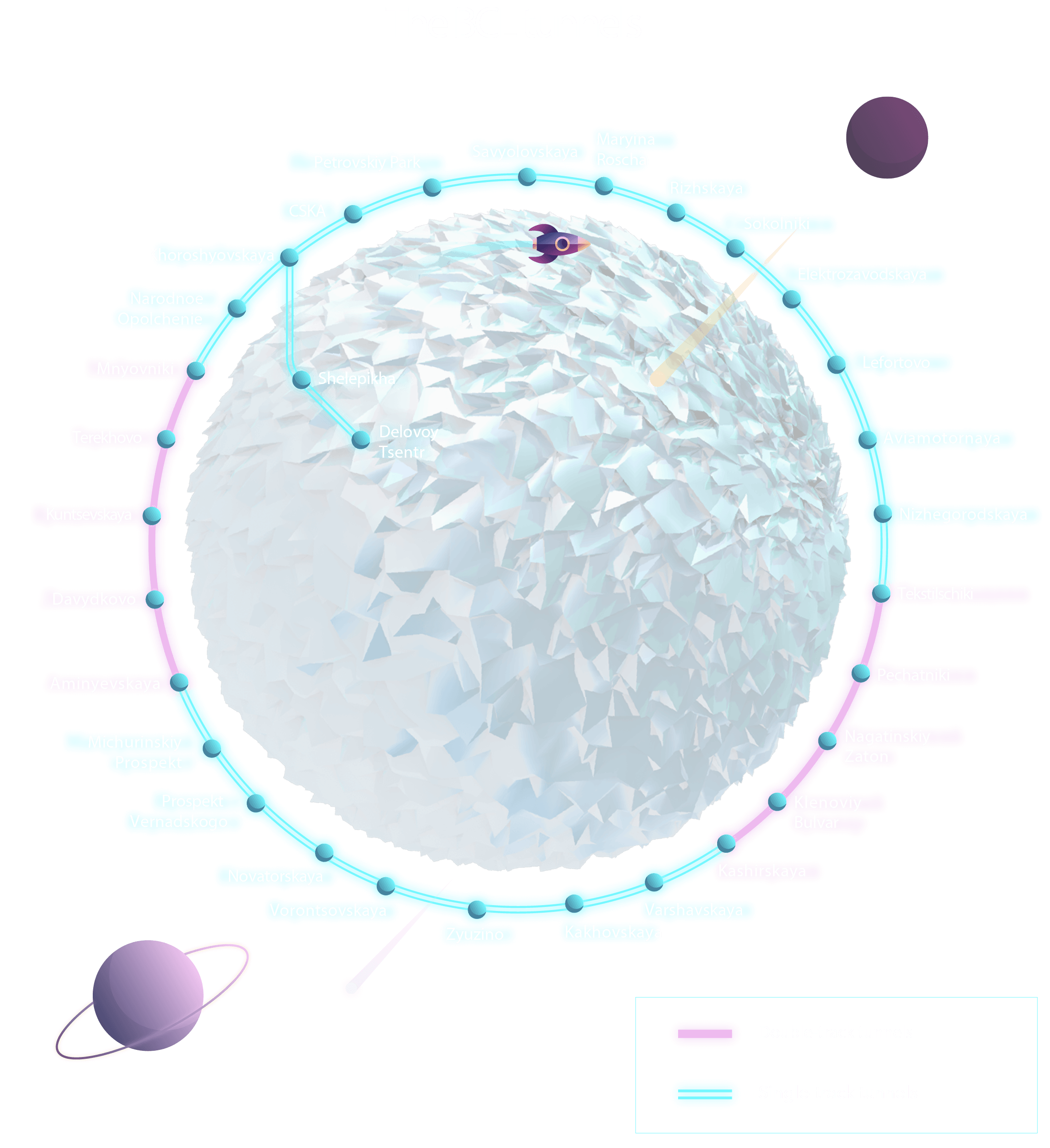
The tunneling of all circle was completed in in 2021.
20,000 people do not stop the construction of the BCL even for a minute. While you are reading this, the metro has already become a little longer.


Petrovsky park
OPEN
2018 y.
 Exits:
on both sides of Leningradsky Prospekt, to Petrovsky Park, Dynamo Stadium
 Transfer at:
to the Dynamo station of the Zamoskvoretskaya line
 Location:
near the stadium "Dynamo"
number of lobbies: 2

depth: 18, 1 m

DESIGN:
Станцию оформили в фирменных цветах футбольного клуба ЦСКА – красном и синем. На потолок подвешена декоративно-художественная композиция, посвященная разным видам спорта Центрального спортивного клуба армии. Помимо футболистов, пассажиры могут рассмотреть спускающихся с неба парашютистов, спортсменов конников и парусников. На платформе установили четыре бронзовые скульптуры – лыжника, баскетболиста, хоккеиста и футболиста. Их создала студия военных художников имени М.Б. Грекова. Скульптуры стоят на гранитных круглых постаментах-колоннах.
The large circular metro line is equipped with the latest fire extinguishing systems. The stations have special columns that, in case of an emergency, remove smoke from the platform.